Is Olive Garden Expensive
You came here to answer a simple question about price and value at a well-known restaurant chain. This short guide gives a clear, up-to-date look at menu costs, promotions, and what you get for your money.
Expect a focus on soup, salad, and breadsticks, plus hearty pasta dishes and family-style meal bundles. We outline typical price ranges and what drives costs up or down across locations and busy nights.
You’ll learn how portion sizes and perks affect perceived value and why some customers feel prices rose faster than budgets did. We’ll also explain how city location and table demand can push certain prices higher.
By the end, you’ll have a practical sense of whether the comfort food and friendly service match the price you pay. Use this as a quick check before your next meal to decide if the menu and promotions fit your budget and taste.
Olive Garden prices today: what’s driving the “expensive” perception
Higher everyday costs mean more diners pause before choosing a sit-down meal. That change shows up in visitor trends: fewer middle- and lower-income customers are coming in, while higher-income guests still visit more often.
Darden reports that people earning under $75,000 are cutting back. Households near $50,000 are avoiding pricier dining options altogether. At the same time, transactions from diners above $150,000 rose in the latest quarter, which keeps some locations busy even as others slow.
Price moves were kept below inflation, but promotions were trimmed. Free pasta refills quietly stopped, though the never-ending first course of soup, salad, and breadsticks remains a value anchor.
- You may feel menu prices more because everyday costs elsewhere rose.
- Promotions that once stretched a meal are fewer, so totals can climb.
- Operational changes aim to control costs and keep service steady across locations.
For a closer look at recent company notes and offers, see this update on parent-company actions and promotions: recent Darden announcement.
Times Square vs. typical locations: how much more does the same menu cost?
Tourist hubs often add a built-in premium to familiar chain menus, and Times Square is no exception. At 2 Times Square the full-block, 500-seat flagship has panoramic views that factor into higher charges.
Menu differences are clear: Chicken and Shrimp Carbonara runs about $22.49 in Memphis and $30.79 at Times Square. The Lasagna Classico family bundle goes from $58.99 to $66.99.
- Smaller items like desserts and drinks show similar premiums.
- High rents and nonstop foot traffic lift costs for nearby restaurants too.
- The popular $6 Take Home entree promotion is not valid at this flagship.
| Item | Memphis | Times Square |
|---|---|---|
| Chicken & Shrimp Carbonara | $22.49 | $30.79 |
| Lasagna Classico (4–6) | $58.99 | $66.99 |
Special events push price further: New Year’s Eve advance tickets recently started at $799 per person for a five-hour premium buffet and open bar. If you want the view and the party, factor that into your plan. If not, try nearby locations for steadier menu prices and familiar dishes like pasta, soup, and breadsticks.
Is Olive Garden Expensive compared to the value you get?
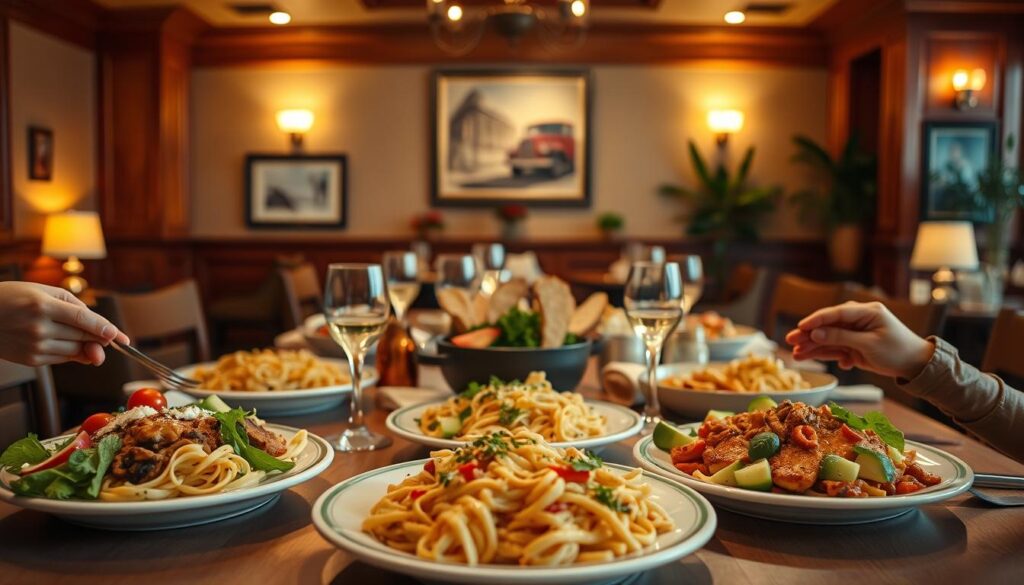
Value often comes down to what lands on your table and how long it holds up as a full meal. Look at sides, portions, and shareable options to judge whether a visit feels worth it.
Never-ending first course: soup, salad, and breadsticks as comfort food value
The never-ending first course—soup, salad, and breadsticks—remains a clear comfort food anchor. It gives a low-cost way to fill up while you wait for entrees.
Free pasta refills were removed, but the starter still stretches a single meal into two sittings for many diners. If comfort is your priority, that bowl and side make a small bill feel more generous.
Portions, family-style bundles, and perceived meal value across locations
Portion size matters: many dishes arrive large enough to share or to take home. Family bundles often lower per-person cost, especially for groups planning to split plates.
- Pair the first course with a pasta or chicken entrée to extend value.
- Share desserts to enjoy sweets without a big extra spend.
- Note that the core menu and dishes stay consistent across the chain; local pricing is what shifts most.
| Type | Typical Benefit | When to Use |
|---|---|---|
| First course | Fills appetite, lowers per-person cost | Casual nights, light budgets |
| Family bundle | Predictable portions, shareable | Groups or take-home meals |
| Single entrée | More premium dishes, higher ticket | When you want a specific pasta or chicken plate |
Making a smart choice: when Olive Garden is worth it—and when to look elsewhere
A quick plan can help you get the best meal for your budget and time. Choose this restaurant chain when you want a predictable, family-friendly dinner with generous first-course portions and shareable entrees.
If you track prices, check your local menu online before you go. Small differences add up, especially with appetizers, desserts, or drinks. Skip high-rent tourist spots when you can: same dishes often cost less nearby.
To save: split an entrée, lean on the starter, or take food home so one order covers two meals. When celebrating, pick one higher-end plate and balance the rest with value choices.
Finally, confirm local promotions like Take Home deals so you know what’s available for your family. If fees or fewer offers make the math worse, try other restaurants close by that fit your plan and wallet.
FAQ
Is Olive Garden expensive?
Price perception depends on where you eat and what you order: a full entré e with appetizers, drinks, and dessert will feel pricier than a simple pasta plate. Many diners find value in the unlimited soup, salad, and breadsticks bundle, while others say menu add-ons and alcohol push the check higher.
What’s driving the “expensive” perception of Olive Garden prices today?
Several factors raise menu costs: higher food and labor expenses, supply-chain pressure, and regional rent increases. Restaurants also balance promotions with margin needs, so fewer discounts or smaller specials can make regular prices stand out more to customers.
How are inflation and budget pullbacks changing customer behavior right now?
Diners are trimming extras: fewer cocktails, less dessert, and more shared plates. Some visit for lunchtime deals or early-bird specials. In short, shoppers trade indulgence for value — choosing combos and promotions or visiting less often.
Who is still going: middle- and lower-income diners or higher-income diners?
Higher-income customers are more likely to treat a sit-down meal as an occasional splurge. Middle- and lower-income guests tend to visit when there’s perceived value: bundle offers, family packs, or weekday specials that stretch the dollar further.
Have promotions changed, such as free pasta refills or discounts?
Yes. Many locations have tightened or trimmed promotions. Unlimited pasta add-ons or broad discounts are less common; instead you’ll see targeted offers, seasonal bundles, and digital coupons that limit the previous breadth of savings.
How much more do Times Square menu prices cost compared with typical locations?
Times Square often has a notable premium, driven by higher rent and strong tourist demand. Expect higher base prices on core dishes and reduced availability of some budget-friendly promotions found at suburban locations.
How do specific menu items compare by price—like chicken and shrimp carbonara, lasagna bundles, desserts, and drinks?
Premium proteins and bundled items carry a bigger markup in high-rent areas. A chicken or shrimp pasta dish and signature bundles usually cost several dollars more in major tourist spots; desserts and alcoholic drinks often show a proportional increase, too.
Why do NYC rent and demand lift prices at the Times Square restaurant?
Land costs, higher wages, and heavy foot traffic let restaurants charge more. Tourists are less price-sensitive, so operators position menus for demand rather than low-cost value, leading to higher checks in flagship locations.
Are some promotions excluded at Times Square, for example the Take Home deal?
Yes. Certain budget deals and take-home specials may be excluded at flagship or high-traffic locations. These sites often limit promotional items to preserve margin while serving a different customer mix.
Does Olive Garden do special-event pricing, like New Year’s Eve ticketed dinners or open-bar buffets?
Some locations run premium, ticketed events for major holidays. These often include set menus, entertainment, or open-bar options and are priced higher than regular service. Check local listings for availability and exact pricing.
Compared to the value you get, is Olive Garden worth the price?
Many diners feel the chain delivers solid comfort-food value when you factor portions, unlimited first-course options, and family-style bundles. If you prioritize premium ingredients or fine dining service, you may find better value elsewhere.
How do the never-ending soup, salad, and breadsticks add to perceived value?
That first-course trio boosts perceived value: it’s filling, shareable, and low extra cost. For budget-conscious guests, the combo makes a single main course stretch into a fuller meal without adding much to the check.
Do portions and family-style bundles improve the meal value across locations?
Yes. Large portions and family bundles can lower the per-person price, especially for groups or families. Value varies by market, but shared platters and carryout specials often offer the best cost-per-plate.
When is dining here worth it—and when should you look elsewhere?
Choose this restaurant for casual family nights, big portions, and predictable comfort food. Look elsewhere if you want high-end ingredients, artisanal cocktails, or the lowest possible price — local trattorias and fast-casual pasta spots may suit those needs better.