Olive Garden Allergen Menu
Surprising fact: the restaurant posts a full allergen guide online and in print, but kitchens share fryers and oil, so cross-contact is possible for many fried items.
This short guide puts that official information in one clear place so you can decide before you sit. You’ll learn which items list wheat or gluten, which sauces and salads contain dairy, and how to swap with simple requests.
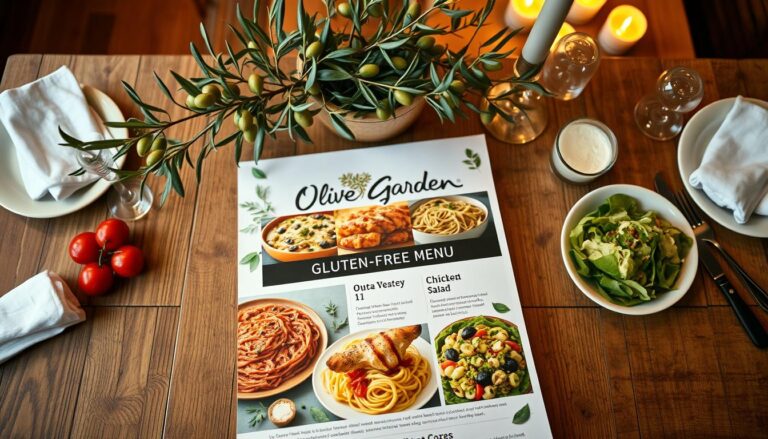
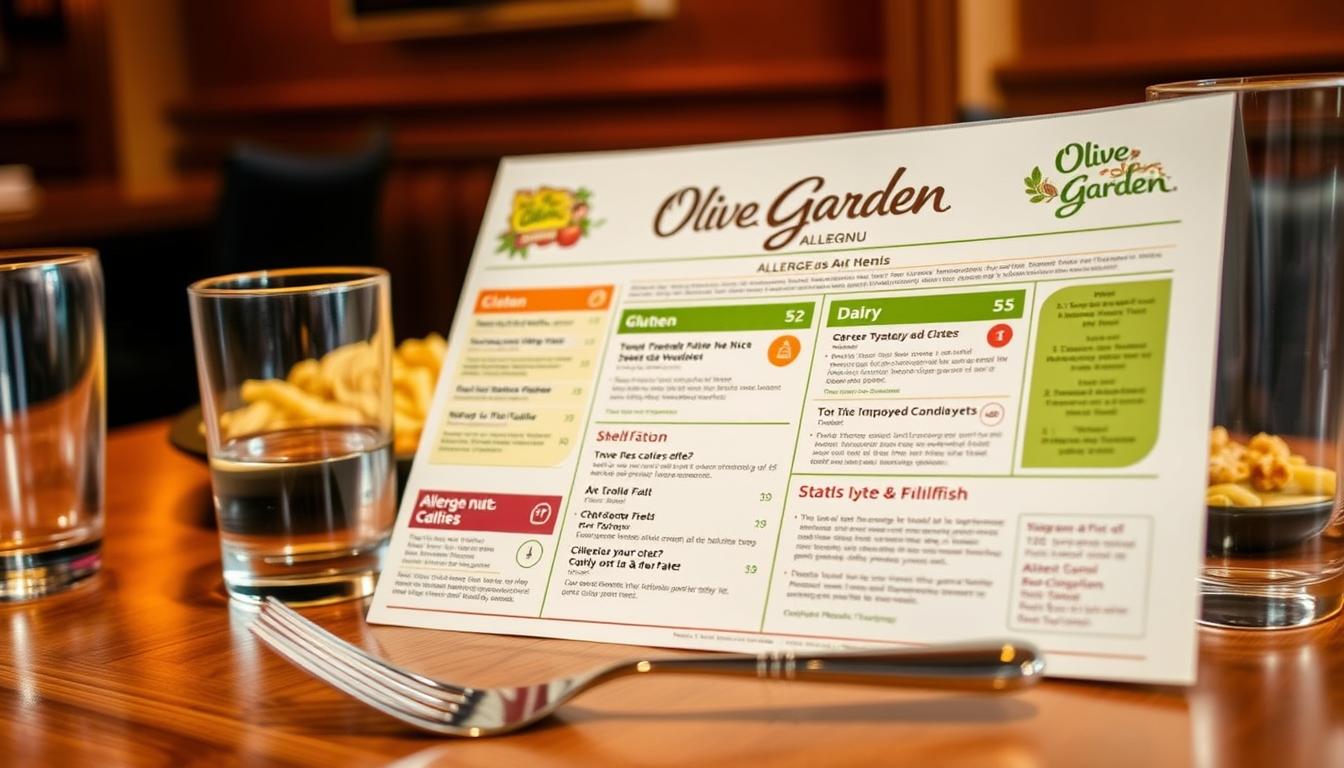
The website offers a downloadable PDF you can open on your phone. In-restaurant copies match the digital file and flag shared-equipment notes. Breadsticks are made without butter under current U.S. guidance, while Signature Italian Dressing contains milk. Many dishes are labeled gluten friendly but note shared-kitchen risks.
We also cover kids’ choices, practical substitutions, and quick steps to confirm your order. Use this guide to enjoy familiar comfort food with confidence and fewer surprises.
What this Buyer’s Guide Covers and Who It’s For
If food sensitivities shape your meal choices, this guide puts the facts in one place. It helps you find which dishes list milk, eggs, wheat/gluten, soy, fish, shellfish, peanuts, and tree nuts. The goal is clear, usable information so ordering feels less stressful.
This guide is for diners with food allergies, intolerance, or special diets. It suits families, travelers, and anyone who wants simple steps to reduce cross-contact risk in a shared kitchen. You’ll learn what to ask staff and when to double-check at the table.
- Spot wheat and gluten flags and dairy markers before you order.
- Find kid-friendly swaps like a house salad without cheese or croutons and plain pasta.
- Know that the Signature Italian Dressing contains milk and how to ask for oil and vinegar instead.
- Plan across pasta, sauces, proteins, sides, and desserts so no course is a surprise.
| Allergen | Common Items Listed | Easy Swap |
|---|---|---|
| Wheat / Gluten | Pasta, breadsticks, breaded proteins | Ask for plain pasta or steamed sides; confirm shared fryer risks |
| Dairy | Alfredo, creamy sauces, some dressings | Choose marinara or request oil & vinegar instead of italian dressing |
| Shellfish / Fish | Shrimp, seafood entrees | Pick grilled chicken or sirloin and confirm separate prep |
How to Access and Use the Olive Garden Allergen Guide
Start on the official website to find the most current allergen information. The site hosts a downloadable PDF that lists ingredients and shared-equipment notes.
Download or print the PDF so you can review choices like pasta marinara or meat sauce before you arrive. Keep it on your phone for quick reference.
At the restaurant
Ask your server for the printed guide and walk through ingredients for breadsticks, sauces, and sides. Confirm that fryers use canola oil and are shared, which raises cross-contact risk for wheat or gluten.
- Request proteins like grilled chicken or sirloin without garlic herb butter and ask about a separate pan.
- Note that gluten-free rotini contains egg and that meat sauce is dairy-free in current U.S. guidance.
- Use a short checklist: name your allergy, read the label, confirm prep, and restate substitutions.
| Action | Why it matters | Quick tip |
|---|---|---|
| Check website | Latest ingredient information | Download the PDF |
| Ask staff | Confirm prep methods in the kitchen | Get a read-back |
| Verify sauces | Some contain dairy or wheat | Pick marinara or meat sauce when suitable |
Understanding Olive Garden Allergen Menu Labels
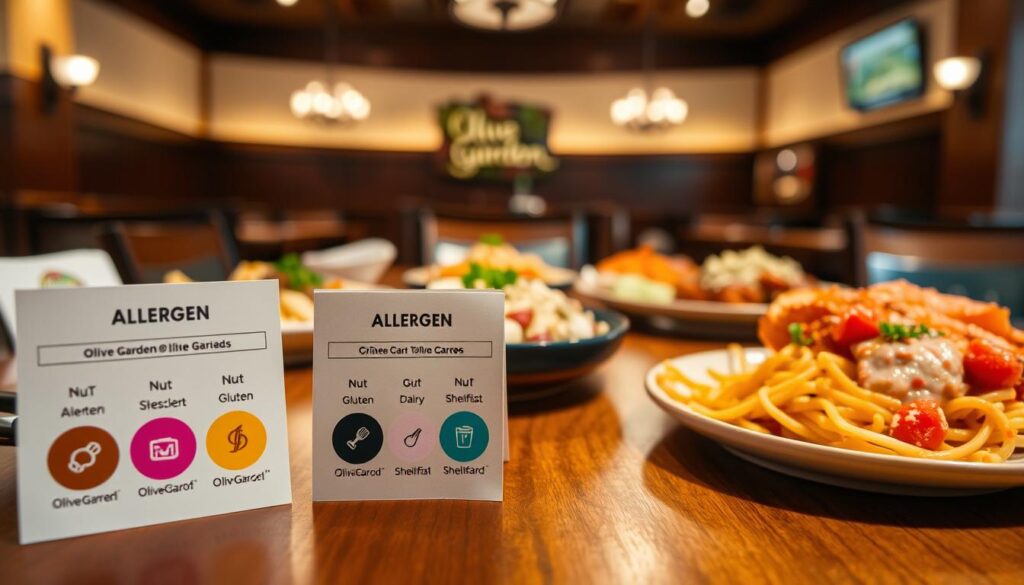
Small symbols next to each dish explain which top allergens are present. The legend lists milk, eggs, wheat/gluten, soy, fish, shellfish, peanuts, and tree nuts so you can scan quickly.
The guide also flags cooking methods that increase exposure. Frying, grilling on shared surfaces, and breading often carry higher chance of cross-contact. Read the symbol and the short note on preparation before you order.
How to read the marks
Look for the allergen mark beside each item to see which ingredients appear. A milk mark covers cheese, butter, and creamy sauce components. Wheat and gluten marks are common on pasta and breaded plates.
- If multiple allergens are listed, ask how each component is cooked or plated.
- Confirm whether a plain tomato sauce is available instead of a cream sauce.
- Tell your server about allergies before ordering and request a read-back.
| Allergen | Common items | Note |
|---|---|---|
| Milk | Alfredo, cheese toppings | Ask to skip butter and cheese |
| Wheat / Gluten | Pasta, breaded proteins | No separate fryer; shared equipment noted |
| Shellfish / Fish | Shrimp, seafood plates | Confirm pan and garnish prep |
Gluten-Friendly Choices vs. Gluten-Free Needs
You can pick gluten-friendly options, but the kitchen setup means extra caution is smart.
Olive Garden labels select pasta and sauces as “gluten friendly.” That includes gluten-free rotini and simple tomato choices like pasta marinara, marinara sauce, and meat sauce.
The rotini marked gluten-free contains egg. If you avoid egg, tell staff so they can suggest other pairings.
Practical steps to reduce cross-contact
- Ask for pasta to be boiled in fresh water in a separate pot when possible.
- Request a clean pan and a fresh sauce ladle before plating.
- Choose grilled chicken or plain meat cooked without butter or breading and ask for a separate pan.
- Pick a salad without croutons and skip cheese, dressed with oil and vinegar.
| Item | Gluten note | Quick swap |
|---|---|---|
| Gluten-free rotini | Contains egg | Confirm separate pot |
| Marinara / meat sauce | Listed gluten-friendly | Ask about ladle and pan |
| Grilled proteins | Usually safe if plain | Request no butter, clean pan |
Dairy-Free and Vegan Paths to Order with Confidence
Choose dairy-free options confidently by focusing on tomato-forward plates and simple swaps. This makes ordering quicker and keeps meals familiar.
Breadsticks and house salad adjustments
U.S. breadsticks are made without butter and finish with a vegan-style margarine. Ask for them “made without butter” when you order.
For salads, skip croutons and cheese. The Signature Italian dressing contains milk, so request extra virgin olive oil and balsamic vinegar instead.
Pick tomato-based sauces over cream
Marinara and tomato sauce are dairy-free choices. Meat sauce is also dairy-free per current guidance, but confirm prep locally and skip cheese garnish.
Create Your Own Pasta: choices and what to skip
Pick a noodle shape and choose marinara or tomato sauce. Add seasoned broccoli or grilled chicken for protein. Ask staff to mark “no cheese” on the order ticket.
Vegan mains and simple swaps
Minestrone, spaghetti with marinara, breadsticks, and a salad without cheese are straightforward vegan-friendly picks. Avoid fried appetizers and Alfredo-style dishes; they often contain milk and share fryers.
- Kids: plain pasta with marinara and a fruit or broccoli side.
- Ask for olive oil instead of butter on cooked proteins.
| Item | Dairy Status | Recommended Swap | Notes |
|---|---|---|---|
| Breadsticks | Made without butter (dairy-free) | Order “no butter” to confirm | Finished with vegan-style margarine in U.S. locations |
| House Salad | Contains cheese if ordered standard | Skip cheese and croutons; request olive oil & vinegar | Signature Italian dressing contains milk |
| Spaghetti + Marinara | Dairy-free | Ask “no cheese” for extra caution | Good vegan choice with veggies |
| Alfredo / Fried apps | Contains milk / high cross-contact risk | Choose grilled or steamed options | Avoid shared fryers and creamy sauces |
Sauces and Ingredients Spotlight for Safer Picks
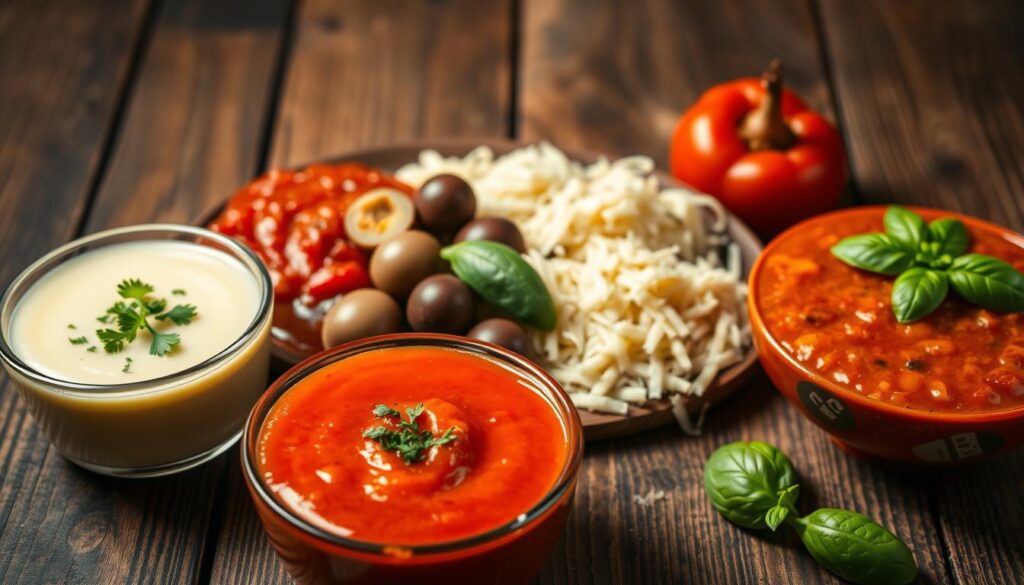
Choosing the right sauce can cut allergy risk and keep your pasta familiar and comforting.
Marinara and tomato sauce are simple, tomato-forward bases. They are typically dairy-free and often the best choice if you avoid milk. Meat sauce adds ground beef and Italian sausage and is usually dairy-free too. Still, ask staff to skip any grated cheese garnish.
Alfredo and cream-based sauces almost always contain milk and cheese. If you avoid dairy, skip creamy options and choose a red sauce instead. Some sauces or toppings may include soy; ask about ladles and pans to reduce cross-contact.
Quick practical checks
- Request sauce on the side so you control portions and exposure.
- Ask for chicken finished with olive oil—no butter or cheese.
- Pair gluten-free rotini with marinara, meat sauce, or tomato and confirm separate cookware when possible.
| Sauce | Main ingredients | Note |
|---|---|---|
| Marinara | Tomato, herbs | Dairy-free; low risk |
| Meat Sauce | Beef, Italian sausage, tomato | Dairy-free if no cheese added |
| Alfredo / Cream | Cream, milk, cheese | Contains milk; avoid if dairy-sensitive |
For more gluten-friendly ideas, see the gluten-free dishes list before you order. Mention any wheat or gluten concerns aloud so staff can confirm prep steps.
Proteins and Sides: Grilled Options, Olive Oil, and Simple Add-ons
Focus on basic, made-to-order proteins and steamed sides to limit hidden ingredients. Ask for plain finishes and a short read-back from your server. This helps you avoid butter, cheese, and other surprises.
Grilled chicken, Italian sausage, and sautéed shrimp
Ask for grilled chicken cooked with olive oil and simple seasonings only. That keeps the meat dairy-free and familiar.
Italian sausage and sautéed shrimp work well as add-ons. Confirm that pans and utensils are fresh when you have multiple sensitivities.
Sirloin and salmon: no dairy, separate pan
Sirloin and salmon often come with garlic herb butter. Request “no butter” and ask if the kitchen can use a separate pan. That lowers cross-contact risk.
Steamed broccoli and simple sides
Keep sides plain. Steamed broccoli is a safe pick when you confirm no butter or cheese was added after cooking.
Consider a spoon of marinara on the side for flavor without dairy. If fries are listed, ask about shared fryers using canola oil and decide based on your comfort level.
- Tell your server about specific ingredients to avoid.
- Pair a protein with pasta and a plain side for balance.
- Verify marinades if you avoid soy; chose plain, made-to-order items when needed.
| Item | Common preparation | Quick request | Price (est.) |
|---|---|---|---|
| Grilled Chicken | Olive oil, herbs | Request no butter | $8.99 |
| Sirloin | Garlic herb butter by default | Ask for separate pan, no butter | $14.99 |
| Grilled Salmon | Butter finish typical | Request olive oil only, separate pan | $15.99 |
| Steamed Broccoli (side) | Steamed, may be tossed with butter | Confirm no butter or cheese | $3.49 |
Shellfish and Nut Considerations for Lower Risk Dining
Shellfish and tree nuts deserve extra attention when you dine, especially in busy kitchens. You should avoid seafood-labeled dishes if shellfish causes a reaction. The olive garden allergen guide flags many shrimp and mixed seafood items.
Discuss prep with your server. Ask if shrimp scampi, seafood Alfredo, or mixed seafood pastas are made in shared pans or fried in the same oil. That step lowers cross-contact risk before you order.
Seafood entrées to avoid and safer alternatives
- Skip shrimp scampi, seafood Alfredo, and mixed seafood pastas to prevent direct exposure.
- Choose spaghetti with marinara or meat sauce instead for a simple pasta base.
- Pick grilled chicken or steak ordered without a dairy finish for added safety.
- Ask whether shellfish is cooked in the same fryer oil as other items and decide based on comfort level.
Nut-free by recipe, but always confirm cross-contact
Many recipes are nut-free by design. Still, the kitchen handles desserts and sauces that may touch nuts. Always ask staff about handling notes when you have a nut allergy.
| Item | Risk | Safer swap |
|---|---|---|
| Shrimp scampi | High (direct shellfish) | Spaghetti + marinara |
| Mixed seafood pasta | High (shared pans) | Grilled chicken, plain side |
| Fried appetizers | Medium (shared fryer oil) | Steamed broccoli or plain potato |
Tell your server about wheat or gluten concerns if you manage both risks. Request clean utensils, a fresh pan, and a final confirmation when your plate arrives. Use the allergen guide to spot flagged items and pick dependable favorites.
Kids’ Meals: Reading the Allergen Chart and Customizing
Kids often prefer simple plates, and picking the right items makes dining easier for the whole family. Start by asking for the kids’ allergen chart so you can scan ingredients at the table.
Simple pasta options
Choose spaghetti with pasta marinara or meat sauce and ask for no cheese on top. If you need a gluten-friendly noodle, request rotini with marinara or meat sauce and note the rotini contains egg.
Grilled chicken, fruit, and broccoli swaps
Grilled chicken pairs well with rotini and marinara. For sides, pick grapes or steamed broccoli. Ask for broccoli without butter or cheese and simple seasoning only.
How to tell staff about allergies
- Say your child’s allergy clearly and ask the server to read it back.
- Confirm whether fries use a shared fryer and decide based on cross-contact comfort.
- Order a small house salad without croutons or cheese; request olive oil and vinegar.
- Re-check the plate when it arrives for any cheese or garnish added by habit.
| Kids Item | Notes | Quick swap |
|---|---|---|
| Spaghetti + Marinara | No cheese on request | Grapes or broccoli side |
| Gluten-friendly Rotini | Contains egg | Confirm separate pot |
| Grilled Chicken | Ask no butter | Rotini + marinara |
Smart Ordering: Communication and Verification Tips
A quick call or a glance at the website can remove many surprises when you dine with sensitivities. Preparing a short list of safe dishes helps staff respond fast. You’ll eat with more confidence and less stress.
Before you go: call ahead and note your needs
Call your local restaurant or check the online guide to review ingredients and shared-kitchen notes. Ask for the allergen guide PDF so you can pick two or three backup choices.
Mention specific allergies—wheat or gluten, milk, nuts, shellfish—and any cross-contact concerns. Ask whether fryers, pasta pots, or finishing butter commonly affect the items you plan to order.
At the table: confirm sauces, garnishes, and final plate
Tell your server your allergy and the swaps you need. Keep requests short: sauce on the side, no cheese, plain protein with olive oil. Ask the server to note the allergy on the ticket.
Have the server read back your order, including sauces and sides. When the plate arrives, verify final touches before you eat. If something is wrong, ask politely for a correction.
- Keep a back-up dish ready in case a sauce or topping isn’t available.
- Request a fresh pan or ladle when possible to lower cross risk in the kitchen.
- Use calm, clear language and the allergen guide to get the result you need.
| Step | Why it helps | Quick script |
|---|---|---|
| Call ahead | Prepares staff and flags your ticket | “I have a wheat allergy; can you suggest safe items?” |
| Confirm at seat | Checks sauces and garnishes | “No cheese on top, sauce on the side, please.” |
| Verify plate | Catches errors before eating | “Can you confirm there is no butter on this?” |
Eat Well with Clarity: Make Confident Choices Today
A little prep goes a long way — pick a few safe dishes and stick with them. Use the official PDF or printed guide to check ingredients and shared-kitchen notes before you order.
Lean on tomato-based choices like marinara, tomato sauce, or Meat Sauce. Pair pasta or pasta marinara with a plain protein such as grilled chicken made without butter and a small side like steamed broccoli.
Choose breadsticks made without butter and a salad dressed with olive oil and vinegar instead of Signature Italian Dressing. Tell your server about wheat or gluten needs and confirm steps at the table.
Families can keep kids options simple: no cheese, straightforward sauces, and clear instructions. With the guide and a short checklist, you can enjoy familiar food with confidence.
FAQ
What does this buyer’s guide cover and who is it for?
This guide explains how to read ingredient and allergen information for a popular Italian-style chain. It’s for families, travelers, and anyone who needs clear details to order safely — especially people avoiding milk, wheat/gluten, eggs, soy, shellfish, fish, peanuts, or tree nuts.
Where can I find the latest allergen information online?
Visit the restaurant’s official website and look for the nutrition or allergen section. The site posts updated charts and PDFs that list ingredients, top allergens, and preparation notes for each dish.
Can I download or print the allergen PDF before I visit?
Yes. Downloading the PDF lets you review ingredients ahead of time and mark safe choices. Bring the printout to the restaurant for quick reference when ordering.
Should I ask staff in the restaurant for allergen help?
Absolutely. Ask to see the printed allergen guide and speak with a manager or server about ingredient details, substitutions, and how the kitchen handles cross-contact.
How do I verify ingredients, prep methods, and substitutions step-by-step?
Check the online chart first. Next, call or speak to staff to confirm current recipes. Request specific substitutions and ask how items are prepared and whether a separate pan or utensils will be used.
What allergen labels appear on the chart?
The chart highlights major allergens: milk, eggs, wheat/gluten, soy, fish, shellfish, peanuts, and tree nuts. It also notes when items may contain sesame or other less-common allergens.
How does the guide describe cross-contact and shared equipment?
It states that some items are prepared in shared spaces and on shared equipment, which can lead to cross-contact. Use the guide as a starting point and confirm kitchen practices for high-risk allergies.
What should I know about frying oil and shared fryer practices?
Many kitchens use shared fryers for multiple foods. If you must avoid shellfish, gluten, or certain other allergens, ask whether the fryer is shared and request alternate cooking methods when possible.
Which pasta and sauces are considered gluten-friendly vs. gluten-free?
Some pastas and sauces are labeled gluten-friendly, such as rotini paired with tomato-based sauces like marinara or meat sauce. However, true gluten-free options may be limited, so confirm the current offerings and cross-contact risk.
How can I manage cross-contact risks in a shared kitchen?
Talk to staff about separate prep areas, using clean utensils, and cooking proteins in a separate pan. When in doubt, select simple sides or dishes that require minimal handling.
What dairy-free and vegan adjustments are available?
Choose tomato-based sauces and skip cheese, butter, or cream. Breadsticks and salads can be adjusted by requesting no cheese and asking for oil-and-vinegar or a dairy-free dressing if available.
Which sauces are safest for dairy-free or vegan choices?
Marinara and plain tomato sauce are typically dairy-free. Avoid Alfredo and creamy sauces, which usually contain milk, cream, or cheese.
Can I create my own pasta bowl safely?
Yes. Pick a plain noodle, a tomato-based sauce, and add grilled vegetables or a plain protein. Ask staff to omit cheese and confirm that the noodles are not cooked or tossed with butter or other dairy.
What should I know about grilled proteins and simple sides?
Grilled chicken and other proteins can be good choices when cooked plain. Request no butter, toss, or garnish that contains dairy or wheat, and ask for a separate pan if needed. Steamed broccoli and plain sides are low-risk when prepared without butter.
Are there special considerations for sirloin and salmon?
Yes. Ask that they be cooked without butter or compound sauces. Request a separate pan or grill area to reduce cross-contact with dairy or breaded items.
What seafood and shellfish should I avoid if I have an allergy?
Avoid items listed with shrimp, scallops, clams, or other shellfish on the chart. Also skip dishes that may be prepared in shared oil with breaded seafood.
Are menu items nut-free by recipe?
Some items may not contain nuts as ingredients, but cross-contact is possible. Always confirm with staff and review the allergen chart for specific dishes.
How can I customize kids’ meals for allergies?
Choose simple pasta with marinara or plain grilled chicken. Ask for fruit or steamed broccoli instead of fries or breadsticks if those items contain allergens. Clearly state your child’s allergy to staff when ordering.
How do I communicate my child’s allergy effectively to staff?
Be direct and specific. State the allergen, ask to note it on the order, and request that the kitchen take precautions like using clean utensils or a separate cooking surface.
What should I do before I arrive to make ordering smoother?
Call ahead to speak with a manager, review the online allergen chart, and request any special accommodations. Arriving informed speeds service and reduces stress.
What should I confirm at the table before eating?
Reconfirm the sauce, toppings, and any special requests. Ask the server to double-check preparation steps with the kitchen if you have a severe allergy.