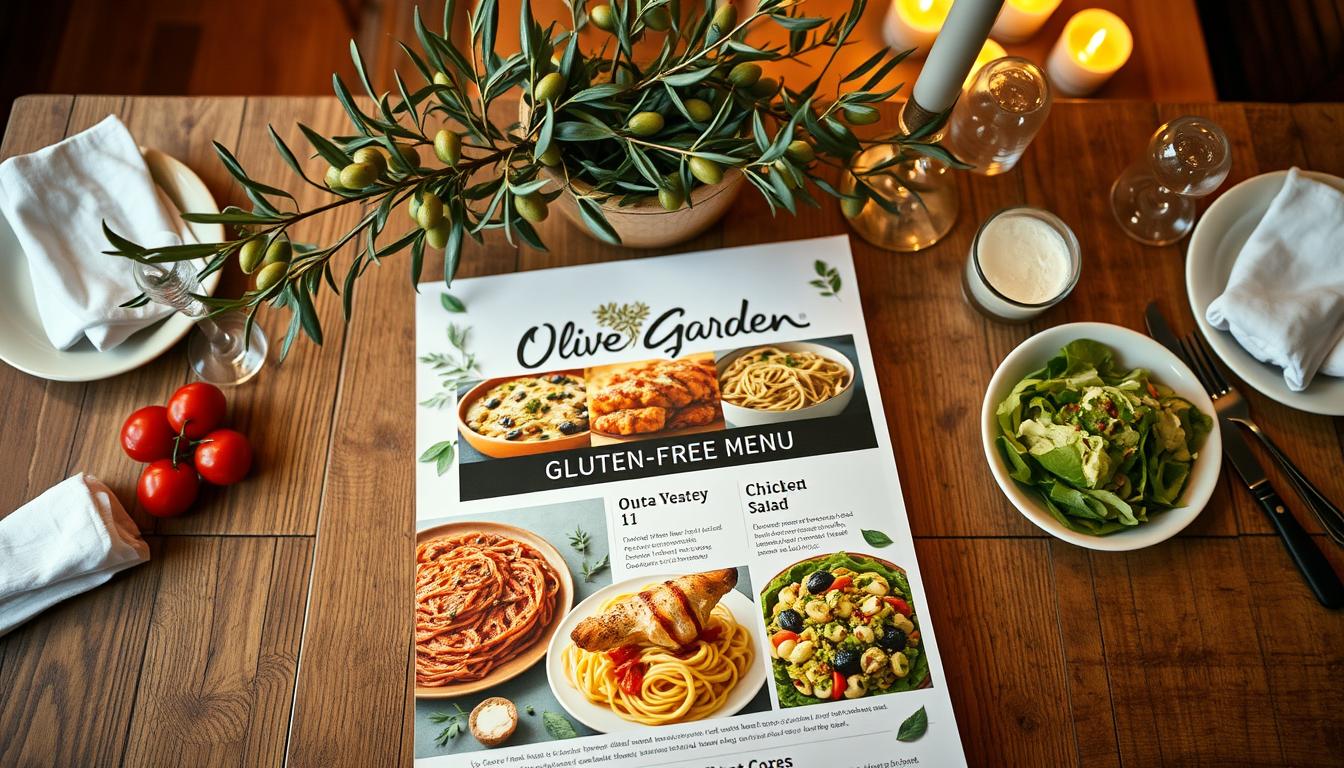
Olive Garden Gluten Free Menu
Surprising fact: about one in ten diners report a reaction after eating at a chain restaurant where cross-contact was possible.
This guide gives you clear, practical information so you can order with confidence at your next visit. You’ll learn which items are made without gluten ingredients and where the kitchen takes extra steps, like cooking gluten-free rotini in a separate kettle and holding it in its own area before plating.
We’ll define what “gluten sensitive” means versus truly gluten-free. We’ll also point out higher-risk areas — shared fryers and prep stations — and safer choices for classic dishes and sides.
If you want details from the restaurant, check the official allergen PDF for ingredient lists and procedures: allergen and nutrition guide.
Why this Buyer’s Guide matters right now
Comfort food classics now share prep stations with wheat-based dishes, and that affects choices. This short guide gives practical information so you can judge the trade-offs at a casual chain table.
Present-day dining realities for gluten-free guests
The restaurant says its kitchens are not allergen-free. Cross-contact can occur on prep surfaces, shared grills, and common stations.
Managers complete food safety training. When you say you have an allergy or celiac disease, staff will often change gloves and use clean utensils. Still, the company can’t guarantee any item is free of all allergens.
- Some items are made without gluten ingredients, but service flow can introduce contamination.
- Avoiding peak hours can lower the chance of mix-ups for a strict diet.
- Knowing this information helps you decide to dine in, order takeout, or choose elsewhere.
Tell your server clearly and ask for allergy procedures when you order. The goal is simple: keep your meal familiar while protecting your health.
Gluten-sensitive vs truly gluten-free at Olive Garden
Before you pick a dish, know the label. Words on the board can mean either “made without gluten ingredients” or “tested and certified.” That difference matters for safety.
What “gluten sensitive” means in policy
When an item is marked gluten sensitive it was made without gluten ingredients. It was not tested to meet the FDA’s
Cross-contact risk in a non-dedicated kitchen
- “Gluten sensitive” signals possible cross-contact because the kitchen is shared.
- If you have celiac disease, treat the label as a caution, not a guarantee.
- Tell your server you have an allergy to trigger procedures like glove and utensil changes.
- No dedicated fryer exists; the pasta uses a separate kettle and holding area, but plating can still expose food.
| Label | What it means | Risk level |
|---|---|---|
| Gluten sensitive | No gluten ingredients listed | Moderate |
| Gluten-free pasta | Meets FDA definition | Lower but not zero |
| Unlabeled items | May contain wheat or be cross-contacted | Higher |
Use the restaurant’s information pages before you go. Confirm handling steps at your table to set clear expectations.
Olive Garden Gluten Free Menu: your quick-pick shortlist
This quick-pick shortlist helps you order with confidence while keeping things simple. Use it when you want a familiar plate and fewer handling questions from the kitchen.
Core picks: gluten-free rotini with marinara or meat sauce
Start with gluten-free rotini. Choose marinara sauce or meat sauce for a classic pasta night that keeps flavors simple.
Protein-led choices: herb-grilled salmon and 6 oz sirloin
Herb-grilled salmon is a steady pick. It arrives without breading and tastes clean.
The 6 oz sirloin is an approachable protein. Ask staff to confirm separate plating and handling before you order.
Situational adds: house salad without croutons, Zuppa Toscana
- House salad works when you ask for no croutons and dressing on the side.
- Zuppa Toscana appears on some lists as gluten-sensitive; verify recipe and prep at your location.
- Community reports vary; manager verification and separate plating are common in positive visits.
Keep a backup like salmon if the pasta station is busy. Small checks at the table make these dishes friendlier for people managing a gluten-sensitive diet.
How Olive Garden handles gluten-free pasta behind the scenes
Knowing how the back of house works helps you order with confidence. Ask your server how the kitchen will move your dish through service.
According to the allergen guide, gluten-free pasta is cooked in a separate kettle. It is then moved to a designated holding area until plating.
- Staff change gloves and utensils when you say you have an allergy to trigger procedures.
- There is no dedicated fryer; the kitchen is shared, so contamination risks remain.
- Cross-contact often happens at sauce stations, the expediter counter, and when tools are grabbed in a rush.
- Ask if clean tongs and a fresh ladle will be used and whether the ticket kept the allergy flag to the pass.
| Step | What is done | Risk note |
|---|---|---|
| Cook | Separate kettle for gluten-free pasta | Lower exposure to regular pasta water |
| Hold | Designated holding zone | Keeps pasta away from heavy traffic |
| Plate | Changed gloves and utensils on request | Cross-contact still possible without strict procedures |
Smart customizations that actually help
A few clear requests make it easier for staff to keep your plate separate and safe.
Swap to gluten-free rotini and stick to red sauces
Choose the gluten free rotini and pair it with marinara or meat sauce. These red sauces are commonly listed on the allergen items and pair well with the special pasta.
Order salad without croutons; request dressing packets
Ask for the house salad with no croutons. Request sealed dressing packets when they are available.
This avoids ladles and shared bowls. It is a small change that lowers contact risk.
Ask for fresh gloves, clean utensils, and separate prep
Keep requests short and clear. Let server know you need an allergy flag so the order moves through correctly.
Make sure staff change gloves and use clean utensils. If you order protein, ask for it grilled without shared breading.
| Customization | Why it helps | Risk note |
|---|---|---|
| GF rotini + marinara/meat | Uses separate pasta kettle and simple sauce | Lower cross-contact if handled carefully |
| Salad, no croutons + packet dressing | Avoids shared ladles and bowls | Relies on sealed dressing supply |
| Fresh gloves and utensils | Signals kitchen to change tools | Must be confirmed at the pass |
Keep your customizations consistent. Short, direct notes help the team follow your requests and make your visit calmer and safer.
What to avoid to reduce your risk
Avoiding certain dishes cuts your exposure to wheat-based contamination. Think simple when you order. Short requests help staff read your allergy flag and follow precautions.
No dedicated fryer: steer clear of anything fried
There is no separate fryer for gluten-friendly orders. Skip fried starters and breaded entrées. Fried Mozzarella, Calamari, and Lasagna Fritta are breaded and cooked in shared oil.
Appetizers, desserts, and cream sauces
Shareable apps often use batter or crumbs. Desserts rely on wheat cakes, crusts, or dough; they are not safe choices here.
Many Alfredo and cream sauces may be thickened with roux or touched with floury spoons. Ask about preparation, or avoid creamy sauces altogether.
- Skip anything fried to avoid cross-contact.
- Avoid breaded proteins like chicken or eggplant.
- Regular pasta is off-limits unless you order the gluten-free rotini option.
- Thickened soups can hide flour—confirm each soup before you order.
| Item | Why avoid | Risk note |
|---|---|---|
| Fried appetizers | Shared fryer oil | High |
| Desserts | Wheat in cakes/crusts | High |
| Alfredo/cream sauces | May use roux | Moderate |
| Breaded entrées | Built on wheat | High |
Entrées: safer bets and risky favorites
When you scan the entrée list, some plates are naturally safer by design and others carry extra handling steps. Pick dishes with fewer breading steps and simple sauces to lower exposure.
Safer selections
Choose Herb-Grilled Salmon or the 6 oz Sirloin without breading. These proteins are seared or grilled and travel through fewer stations.
Alternatively, order the gluten free rotini with marinara or a meat sauce if you want a pasta feel with fewer risk factors.
Risky builds to avoid
Breaded items such as Chicken Parmigiana present risk from the first step. Breading and shared fryers or oil make cross-contact likely.
If you want chicken, ask for a simple grilled chicken add-on to pasta or vegetables instead of a breaded version.
High-risk classics
Lasagna, ravioli, shrimp scampi, and carbonara are higher risk. They use wheat pasta, breading, or flour-thickened sauces.
For celiac disease, weigh the kitchen exposure before ordering any layered or creamy dish. Ask a manager to verify plating when you order.
- Keep sauces tomato-based to minimize unknown thickeners.
- If the cook line is slammed, shift to salmon or sirloin to reduce station touchpoints.
- Ask how the entrée will be plated and request manager confirmation at the pass.
| Category | Examples | Why |
|---|---|---|
| Safer | Herb-Grilled Salmon; 6 oz Sirloin; GF rotini + marinara | Minimal breading; fewer shared tools |
| Risky | Chicken Parmigiana; breaded chicken | Breading and shared oil or stations |
| High-risk classics | Lasagna; Ravioli; Shrimp Scampi; Carbonara | Wheat pasta or flour-thickened sauces |
Soups, salad, and breadsticks: reading the fine print
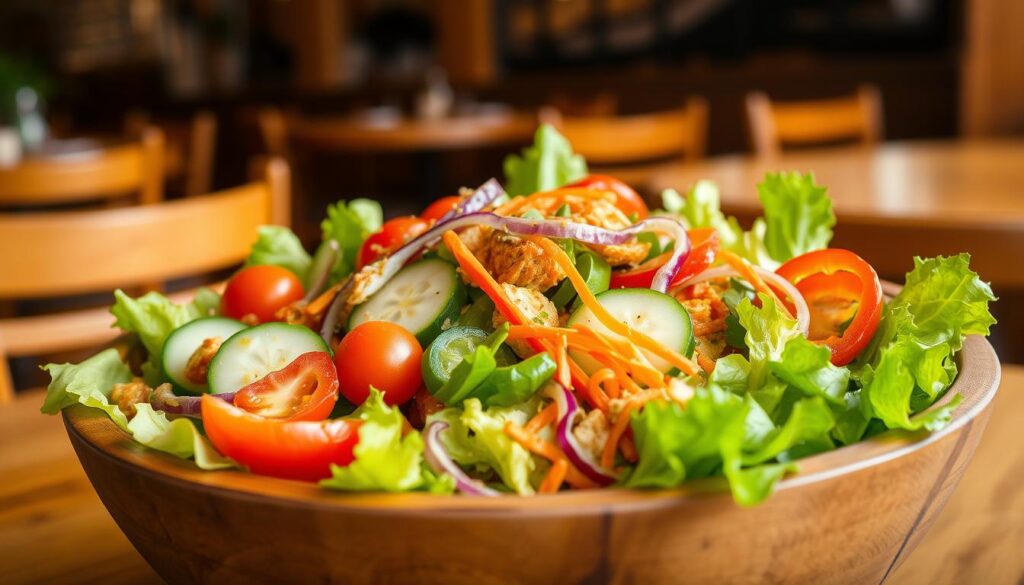
A simple salad can be a safe choice if you confirm handling and toppings. Start by asking how the salad will be tossed and who will plate it.
House salad as a workable option
The house salad is workable when you ask for it without croutons and the dressing on the side. Request sealed salad dressing packets when available.
Tell the server you need fresh tongs and a clean bowl. That reduces the chance of stray croutons or crumbs getting mixed in.
Why breadsticks and dipping sauces are off-limits
Breadsticks are made with wheat flour and should be avoided by gluten-sensitive diners. Dipping sauces served with breadsticks often share ladles or have crumbs mixed in.
Alfredo-style dips and cheese marinara near bread are higher risk. Confirm soup recipes too. Pastas or roux can appear in seemingly safe bowls.
- Ask for the house salad without croutons and confirm fresh tongs.
- Request dressing on the side or sealed dressing packets.
- Avoid breadsticks and their dipping sauces due to shared tools and crumbs.
- If handling can’t be guaranteed, pick a grilled protein instead of salad.
| Item | Why to avoid or confirm | Handling tip |
|---|---|---|
| Breadsticks | Wheat flour; crumbs spread easily | Do not order; avoid nearby dips |
| House salad | Safe if tossed clean and no croutons | Ask: without croutons, dressing on side |
| Dipping sauces | Shared ladles; possible crumbs or roux | Skip or ask for sealed single-serve cups |
Kids’ gluten-sensitive choices worth knowing
When you dine with children, simple plates keep prep clearer and risk lower. Choose familiar flavors and make a few clear requests so the kitchen can follow them.
Kids GF rotini with marinara or meat sauce
Kids can enjoy gluten-free rotini pasta with marinara sauce or a plain meat sauce. This classic bowl is easy for picky eaters and often travels through fewer stations.
Grilled chicken with GF rotini
Order grilled chicken alongside the special rotini for added protein. Ask for no breading and for the plate to be handled with fresh gloves and clean utensils.
- Side choices: grapes or steamed broccoli work well for a steady veggie.
- Request separate sauce ladles and sealed dressing when possible.
- Keep the kids’ order short and clear. Ask a manager to verify the ticket before it leaves the pass.
| Item | Why it works | Handling tip |
|---|---|---|
| GF rotini + marinara | Simple, low-touch pasta | Confirm separate ladle |
| Grilled chicken + rotini | Protein without breading | Ask for fresh gloves |
| Grapes or broccoli | Minimal prep sides | Request clean tongs |
You can still have a cozy family night at olive garden while following the gluten-free menu notes. Short, calm requests help the team keep kids’ plates safer.
A word on Alfredo and “Amazing Alfredos”
Creamy pasta classics that look comforting often hide wheat in sauces and noodles.
Alfredo entrées — Chicken Alfredo, Shrimp Alfredo, Fettuccine Alfredo, Chicken Tortelloni Alfredo, and Seafood Alfredo — generally are not safe for celiac or strict gluten-sensitive diners. The noodles are wheat-based and the sauce is often thickened with flour.
Even swapping in a special pasta doesn’t erase the risk. The Alfredo station sees heavy traffic and shared tools. Cross-contact there is common in a busy kitchen.
- Fettuccine and tortelloni use regular wheat noodles or filled pasta.
- Creamy sauces frequently contain roux or flour as a thickener.
- For comfort, shift to gluten-free rotini with marinara on the side.
- Ask your server for a manager’s take on sauce handling before ordering.
| Entrée | Why it may contain gluten | Risk note |
|---|---|---|
| Chicken Alfredo | Wheat pasta and flour-thickened sauce | High |
| Fettuccine Alfredo | Regular wheat noodles | High |
| Chicken Tortelloni Alfredo | Filled pasta made with wheat | High |
| Seafood Alfredo | Creamy sauce and shared prep station | High |
For more practical tips and full ingredient notes, see the detailed guide at Olive Garden gluten-free information.
Sides and sauces: small wins on the table
Sides and sauces are easy places to score safe choices if you know what to ask for. Pick plain, steamed vegetables and a simple tomato-based sauce to lower cross-contact during service.
Guests often choose broccoli, mixed vegetables, asparagus, or plain mashed potatoes. These items travel well through a shared kitchen when handled simply.
- Keep sides simple: steamed broccoli, mixed vegetables, asparagus, or plain mashed potatoes.
- Marinara sauce and meat sauce pair best with gluten-free rotini as a safe-leaning sauce.
- Ask about added seasonings or garnishes and confirm a clean spoon or ladle at the pass.
- Verify mashed potatoes have no flour-based gravy and avoid Alfredo or cream-based sauces.
- Consider a side salad without croutons and dressing on the side for a fresh option.
| Item | Why it works | Approx. price |
|---|---|---|
| Steamed broccoli | Minimal prep; low cross-contact risk | $3.49 |
| Mashed potatoes | Plain when no flour gravy is used | $3.99 |
| Marinara sauce | Best pairing with gluten-free rotini; simple ingredients | $1.50 (add-on) |
| Side salad (no croutons) | Fresh option; request dressing packets | $4.29 |
Double-check ingredients on add-ons like sausage or meatballs. Breadcrumbs sometimes appear in those items. Keep your plate uncluttered. Fewer components mean fewer chances for missteps and a calmer dining experience.
How to communicate with your server and manager
A calm, clear alert at the table can trigger the exact steps you need for a safer plate. Tell your server right away that you have celiac disease or a gluten allergy. That language flags the ticket and prompts the kitchen to change gloves and utensils.
Use specific words to start procedures
Say “celiac” or “allergy” to make sure staff follow the chain’s allergy steps. Many locations will have a manager visit the table to confirm handling. Ask for sealed dressing packets and a salad without croutons when you order.
Ask for verification and separate plating
Request manager confirmation that your plate will be plated separately. Let server know you want fresh sauce ladles and clean tongs at the pasta station. Pause the meal if you see crumbs or the wrong noodle; ask for a manager review.
- Keep orders simple to lower contamination risk.
- Make sure your ticket stays flagged through the kitchen workflow.
- Clarify marinara or meat sauce with gluten free rotini if you order pasta.
| Action | Why it helps | What to ask |
|---|---|---|
| Flag the ticket | Alerts the line and expediter | “This is a celiac allergy—please flag.” |
| Manager verification | Confirms procedures at the pass | “Can the manager confirm fresh gloves and separate plating?” |
| Sealed dressings | Reduces cross-contact from shared bowls | “Please bring sealed dressing packets.” |
| Simple order | Fewer touchpoints in the kitchen | Choose plain protein or GF rotini + marinara. |
Tools, checks, and expectations before you go
Before you visit, take a few simple steps so your meal goes smoother. A quick review and a short call can change how staff handle your order.
Review official allergen and nutrition pages
Read the Allergens, Nutrition, and Gluten Sensitive pages on the restaurant site. The PDFs list ingredients and handling notes you can cite when you call or arrive.
NIMA sensor realities
The NIMA sensor can be a useful tool. Results vary, though — it may show false positives or negatives.
Use it as one check alongside staff answers, not as the only proof.
Call ahead and avoid peak hours
Call your chosen place to ask which items are available and how kitchen staff will handle your request.
Avoid rush times to cut the chance of contamination and rushed plating. Make sure the manager knows about celiac disease or serious allergy when you check in.
- Ask about sealed dressing packets and salad prep away from croutons.
- Confirm the separate kettle and holding area for gluten free pasta is in use that day.
- Plan a short list of trusted items so your visit stays calm and familiar.
| Check | Who to ask | Expected result |
|---|---|---|
| Allergen PDF | Call or read online | Know listed food ingredients |
| NIMA test | Guest with sensor | Extra data, not definitive |
| Manager flag | Host/manager | Ticket marked; fresh gloves expected |
Confident next steps for a safer, budget-smart visit
A short, repeatable order helps staff follow allergy steps and limits contamination. Pick one trusted plate and a simple backup to make the visit calm and clear.
Build your plan around gluten (once) rotini with marinara or meat sauce. Add a protein like herb-grilled salmon or a grilled sirloin when you want more substance. A house salad without croutons and dressing on the side is a reliable starter.
Tell your server it’s an allergy and make sure the ticket is flagged. Ask the manager to verify the separate kettle and clean plating tools at the pass.
If the kitchen feels busy, shift to plain proteins and vegetables. Share a pasta and salad to save money and keep the meal simple for kids.
FAQ
What does "gluten-sensitive" mean at Olive Garden?
“Gluten-sensitive” means a menu item is prepared with ingredients that do not contain wheat as listed, but it is made in a kitchen that handles gluten. That creates a risk of cross-contact, so people with celiac disease should treat these options cautiously and speak with staff before ordering.
Are there dedicated gluten-free pasta procedures in the kitchen?
Olive Garden uses a separate kettle and a holding area for gluten-free rotini to reduce cross-contact. However, the rest of the kitchen is not dedicated gluten-free, so tools, surfaces, and shared sauces can still introduce gluten unless extra precautions are taken.
Which pasta choices are the safest pick on the gluten-sensitive list?
The core picks are the gluten-free rotini served with marinara or meat sauce. These are lower risk when the server confirms separate prep and fresh gloves, but still not fully safe for those with celiac disease unless management confirms strict safeguards.
Can I get the house salad without croutons and still be safe?
Yes, ordering the house salad without croutons is a workable option. Ask for dressing packets or confirm the dressing is gluten-free. Request a clean bowl and new utensils to lower cross-contact risk.
Are Alfredo and cream-based sauces gluten-free?
No. Alfredo and many cream sauces are often thickened with flour or made in shared pans. These are higher risk and not recommended if you need to avoid gluten strictly.
What proteins are safer choices on the gluten-sensitive list?
Herb-grilled salmon and the 6 oz sirloin are generally safer because they are simple grilled proteins. Still ask that they be cooked on a clean surface and plated with clean utensils to reduce cross-contact.
Which popular dishes should I avoid because of breading or flour?
Avoid breaded or pan-fried items such as Chicken Parmigiana, fried appetizers, lasagna, ravioli, scampi, and carbonara. These use wheat-based coatings or pasta and carry a high cross-contact risk.
Are there safe sides and sauces I can rely on?
Likely safe sides include broccoli, mixed vegetables, asparagus, and mashed potatoes — when prepared separately. Marinara and meat sauce lean safer than cream sauces. Always confirm with staff how each item is prepared.
Is there a dedicated fryer I can use for fried gluten-free items?
No. Olive Garden does not use a dedicated fryer for gluten-free items. Anything fried in the shared fryer may have cross-contact, so avoid fried options if you need to be strict.
What should parents know about kids’ menu options?
Kids can choose gluten-free rotini with marinara or meat sauce or grilled chicken with GF rotini. Inform the server and ask for separate prep to minimize cross-contact, especially for children with celiac disease.
How do I reduce risk when ordering pasta at the restaurant?
Swap to gluten-free rotini and stick to red sauces, request fresh gloves and clean utensils, and ask that the dish be plated separately. Calling ahead and asking to avoid peak times can also improve staff attention to allergy procedures.
Can breadsticks or dipping sauces be ordered safely?
No. Breadsticks and many dipping sauces contain wheat or are handled in shared spaces, so they should be avoided by anyone needing strict gluten avoidance.
What should I tell my server or manager when I arrive?
Say “celiac” or “allergy” to trigger allergy protocols. Ask a manager to verify procedures, request separate plating, and confirm that staff will use clean tools and gloves for your order.
Should I rely on NIMA or other testing devices for reassurance?
NIMA sensors can provide information but results vary and are not a substitute for the restaurant’s allergy procedures. Use tests cautiously and still request formal staff precautions if you have celiac disease.
Where can I find the most current ingredient and allergen details?
Review Olive Garden’s Allergens and Nutrition pages online before you go, and call the restaurant to confirm specific ingredients and on-shift procedures. Policies and recipes can change, so real-time checks help you plan safely.